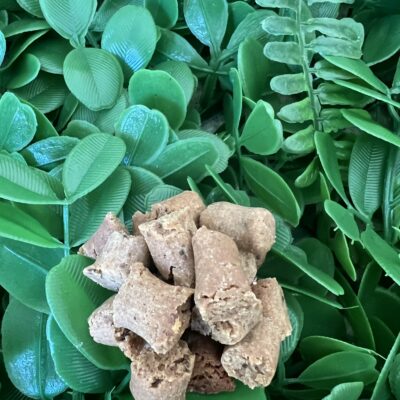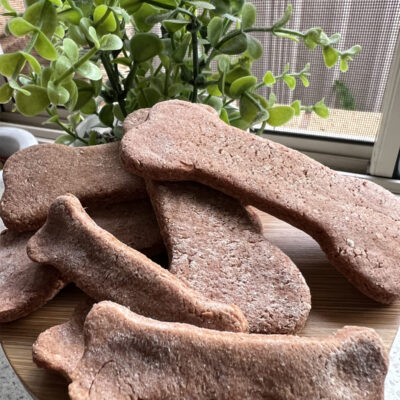
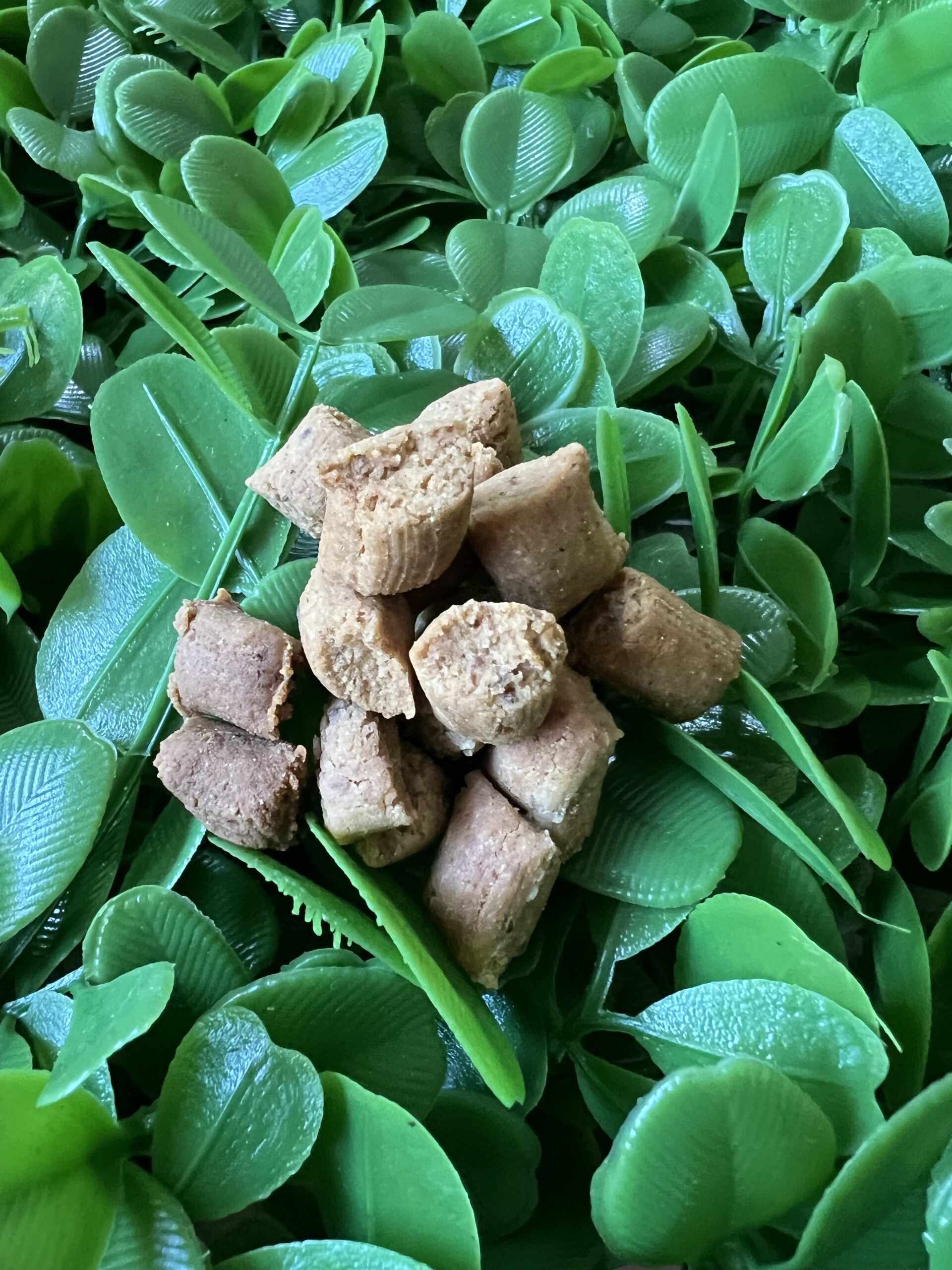
Description
Health Benefits GF Flours
Gluten-free flours offer several health benefits for dogs and cats, particularly if they have sensitivities or allergies.
These benefits include improved digestion, potentially better weight management, and enhanced energy levels.
Gluten-free flours can also contribute to healthier skin and coat.
Here’s a more detailed look at the benefits:
- Improved Digestion:
Gluten-free flours can be easier for pets to digest, reducing symptoms like gas, bloating, and irregular stools that can be associated with gluten sensitivity.- Weight Management:
A gluten-free diet can help with weight loss or maintenance.- Gluten, being a carbohydrate, can contribute to weight gain, while gluten-free options can offer a more balanced macronutrient profile with a higher protein content.
- Enhanced Energy Levels:
A digestive system that isn’t working as hard to process gluten can lead to increased energy levels.- Healthier Skin and Coat:
Gluten-free diets can help reduce inflammation, which can improve skin and coat health, particularly for pets prone to dermatological issues.- Potential for Reduced Allergies:
Eliminating gluten can be beneficial for pets with gluten allergies or sensitivities, as it removes a potential allergen.- Easier to Digest:
Some gluten-free flours, like rice flour, are known to be easily digestible and soothing for sensitive stomachs.- More Nutrient-Dense:
Some gluten-free flours, such as almond flour or coconut flour, offer a range of nutrients like healthy fats, protein, and vitamins.- Can Help Senior Dogs:
Senior dogs may have difficulty digesting certain foods, so gluten-free options can be easier to digest and more palatable.- May Help with Picky Eaters:
If a dog is picky due to digestive discomfort from gluten, a gluten-free diet could encourage them to eat more.Important Considerations:
- Consult Your Veterinarian:
It’s always best to consult with your veterinarian before making significant dietary changes for your pet, including switching to a gluten-free diet.- Not All Flours Are Created Equal:
Choose organic, unbleached, and non-GMO flour options for the best nutritional value.- Variety is Key:
Just like for humans, a varied diet is important for pets, so try different types of gluten-free flours in moderation.- Grain-Free vs. Gluten-Free:
While often used interchangeably, grain-free diets exclude all grains, while gluten-free diets only exclude gluten-containing grains.- Not a Cure-All:
While gluten-free flours offer benefits, they may not be suitable for all pets.
Some pets may be fine with gluten, and others may have sensitivities or allergies to other ingredients as well.Health Benefits Chicken 🐔
Chicken is a healthy and beneficial food for dogs, primarily due to its high protein content and various nutrients.
It’s a great source of lean protein, which is essential for building and repairing tissues, supporting the immune system, and providing energy.
Additionally, chicken provides essential amino acids, vitamins (like B6), and minerals that contribute to overall canine health.
Here’s a more detailed look at the benefits:
- Lean Protein Source:
Chicken is a good source of protein, which is crucial for building and maintaining muscle tissue, repairing tissues, and supporting the immune system.- Essential Amino Acids:
Chicken contains essential amino acids that dogs need to develop and maintain healthy muscles and tissues.- Nutrient-Rich:
Chicken provides various nutrients like vitamin B6, vitamin B3, niacin, phosphorus, and zinc, which contribute to overall health, energy production, metabolism, and immune function.- Skin and Coat Health:
Chicken contains omega-6 fatty acids that can promote healthy skin and coat, reducing dryness, flakiness, and itching.- Weight Management:
Chicken is a low-fat protein source, which can help dogs maintain a healthy weight, especially when paired with other healthy foods.- Joint Health:
Chicken, particularly chicken necks and frames, can provide glucosamine and chondroitin, which can help maintain joint health and reduce inflammation.- Training Treat:
Chicken can be a valuable training treat, especially for dogs that enjoy its taste.- Raw Chicken Benefits:
Raw chicken, when safely prepared and fed, can offer benefits like improved cardiovascular health and dental healthHealth Benefits Peanut Butter 🥜
Peanut butter can offer several benefits for dogs when given in moderation, including being a good source of protein, healthy fats, and certain vitamins and minerals.
It can also be used as a tasty reward during training or to enrich enrichment activities like lick mats.
However, it’s crucial to choose peanut butter without added xylitol, a harmful sweetener for dogs.
Here’s a more detailed look at the benefits:
Protein:
Peanut butter is a good source of protein, which is essential for building and maintaining muscle mass, repairing tissues, and supporting overall health.
Healthy Fats:
Peanut butter contains healthy fats, including monounsaturated fats, which can contribute to a shiny coat and healthy skin.
Vitamins and Minerals:
Peanut butter provides some essential vitamins and minerals, such as niacin, vitamins B and E, and magnesium, which support various bodily functions.
Training Aid:
Peanut butter’s taste and aroma can be an effective motivator during training, helping to keep dogs engaged and focused.
Enrichment:
It can be used to make lick mats or stuffed toys, providing a source of enrichment and a slower, more rewarding eating experience.
Important Considerations:
Moderation:
Peanut butter should be given in moderation, as excessive fat intake can lead to weight gain and digestive issues.
Xylitol-Free:
Ensure the peanut butter is free from xylitol, a sugar alcohol that is highly toxic to dogs.
Portion Control:
Be mindful of portion sizes, especially for smaller dogs or those trying to maintain a healthy weight.
Balanced Diet:
Peanut butter should be part of a balanced diet and not a primary food source.
In summary, plain peanut butter can be a nutritious and tasty treat for dogs when given in moderation, but it’s essential to choose the right type and be mindful of portion sizes to ensure your dog’s health and well-being.
Health Benefits Coconut Oil 🥥
Coconut oil offers several potential health benefits for cats, primarily related to skin and coat health, digestion, and potentially even weight management.
It can help moisturize and soothe dry, irritated skin, improve coat shine, and aid in digestion by supporting the absorption of essential nutrients.
Some also claim it can help with hairball reduction, parasite removal, and even support cognitive function in older cats.
Here’s a more detailed look at the potential benefits:
Skin and Coat Health:
Coconut oil can act as a natural moisturizer for dry or irritated skin.
It can help soothe skin issues like allergies, insect bites, or fungal infections.
The oil’s fatty acids can contribute to a shiny and healthy coat.
Digestive Health:
Some believe coconut oil can promote gut health by supporting the lining of the digestive tract.
It may also aid in the absorption of nutrients. Coconut oil can also help with hairballs by lubricating the digestive tract.
Other Potential Benefits:
Weight Management:
Some believe coconut oil can boost metabolism and help with weight loss in overweight cats.
Parasite Removal:
Coconut oil is thought to have anti-parasitic properties and may help create an environment in the digestive tract that is not conducive to parasites.
Cognitive Function:
The medium-chain triglycerides (MCTs) in coconut oil may support cognitive function in older cats.
Anti-inflammatory Effects:
Coconut oil’s healthy fats may help reduce inflammation in cats with arthritis or other inflammatory conditions.
Brain and Nervous System Health:
MCTs in coconut oil can provide readily available energy to the brain, potentially supporting mental alertness.
Important Considerations:
Start Slowly:
When adding coconut oil to your cat’s diet, start with a small amount and gradually increase it, as some cats may experience digestive upset if they consume too much at once.
Topical Use:
Coconut oil can be used topically on the skin and coat for moisturizing and soothing purposes.
Consult Your Veterinarian:
It’s always a good idea to consult with your veterinarian before making significant changes to your cat’s diet or using new supplements.
Food-Grade Quality:
Ensure that the coconut oil you use is food-grade quality, as it is intended for consumption by animals
Health Benefits Chia Seeds
Chia seeds offer several benefits for dogs, including improved digestion, healthy skin and coat, and potential weight management.
They are also a source of omega-3 fatty acids, which can reduce inflammation and support brain health.
Here’s a more detailed look at the benefits:
Improved Digestion:
Chia seeds are rich in fiber, which can help regulate bowel movements and prevent constipation.
The fiber can also help dogs feel full, which can be beneficial for weight management.
Healthy Skin and Coat:
Omega-3 fatty acids in chia seeds can help reduce inflammation and promote a healthy, shiny coat.
Weight Management:
Chia seeds can absorb up to ten times their own weight in water, which can help dogs feel full and may reduce overeating.
Omega-3 Fatty Acids:
Chia seeds are a good source of omega-3 fatty acids, which are essential for overall health and can help reduce inflammation.
Brain Health:
Omega-3 fatty acids are important for brain function, and chia seeds can help support cognitive health.
Immune System:
Chia seeds are packed with antioxidants, which can help support the immune system