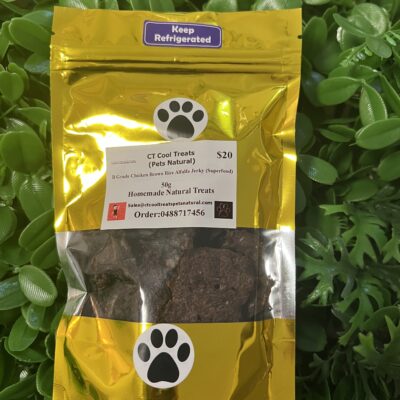

Description
Health Benefits Chicken 🐔
Chicken is a healthy and beneficial food for dogs, primarily due to its high protein content and various nutrients.
It’s a great source of lean protein, which is essential for building and repairing tissues, supporting the immune system, and providing energy.
Additionally, chicken provides essential amino acids, vitamins (like B6), and minerals that contribute to overall canine health.
Here’s a more detailed look at the benefits:
Lean Protein Source:
Chicken is a good source of protein, which is crucial for building and maintaining muscle tissue, repairing tissues, and supporting the immune system.
Essential Amino Acids:
Chicken contains essential amino acids that dogs need to develop and maintain healthy muscles and tissues.
Nutrient-Rich:
Chicken provides various nutrients like vitamin B6, vitamin B3, niacin, phosphorus, and zinc, which contribute to overall health, energy production, metabolism, and immune function.
Skin and Coat Health:
Chicken contains omega-6 fatty acids that can promote healthy skin and coat, reducing dryness, flakiness, and itching.
Weight Management:
Chicken is a low-fat protein source, which can help dogs maintain a healthy weight, especially when paired with other healthy foods.
Joint Health:
Chicken, particularly chicken necks and frames, can provide glucosamine and chondroitin, which can help maintain joint health and reduce inflammation.
Training Treat:
Chicken can be a valuable training treat, especially for dogs that enjoy its taste.
Raw Chicken Benefits:
Raw chicken, when safely prepared and fed, can offer benefits like improved cardiovascular health and dental health
Health Benefits Fenugreek
Anti-Inflammatory
For dogs suffering from arthritis, joint pain, or other inflammatory conditions, fenugreek may offer relief by reducing pain and swelling.
These effects can lead to improved mobility, comfort, and overall quality of life for your dog.
Other Benefits
Fenugreek can offer several health benefits for dogs, including aiding digestion, potentially regulating blood sugar, and improving skin and coat health due to its fiber and nutrient content.
However, it’s crucial to introduce it gradually and monitor your dog for any adverse reactions, and always consult with a veterinarian for appropriate dosage and usage.
Specific Benefits:
Digestive Health:
Fenugreek is rich in soluble fiber, which can help regulate bowel movements, alleviate constipation, and soothe digestive upset.
Blood Sugar Regulation:
The galactomannan in fenugreek seeds may help slow down sugar absorption, potentially benefiting dogs with diabetes or those at risk.
Skin and Coat Health:
Fenugreek contains nutrients like vitamin A, vitamin C, and iron, which can contribute to healthier skin and coat.
Milk Production:
Fenugreek is known to support lactation in nursing dogs, helping to boost milk production and maintain appetite.
Important Considerations:
Dosage:
Start with a low dose and gradually increase it while observing your dog’s response.
Individual Needs:
Consult with your veterinarian to determine the appropriate dosage for your dog’s specific size, breed, and health condition.
Side Effects:
Some dogs may experience digestive upset, such as vomiting or diarrhea, from excessive consumption, especially smaller breeds.
Interactions:
Fenugreek may interact with other medications or supplements, so consult with your veterinarian before introducing it to your dog’s diet, especially if they are on medication.
Pregnancy:
Avoid using fenugreek during pregnancy, as it may stimulate uterine contractions.